 SIGN IN
Combatting fear of movement after injury
When to listen and when to rebuild
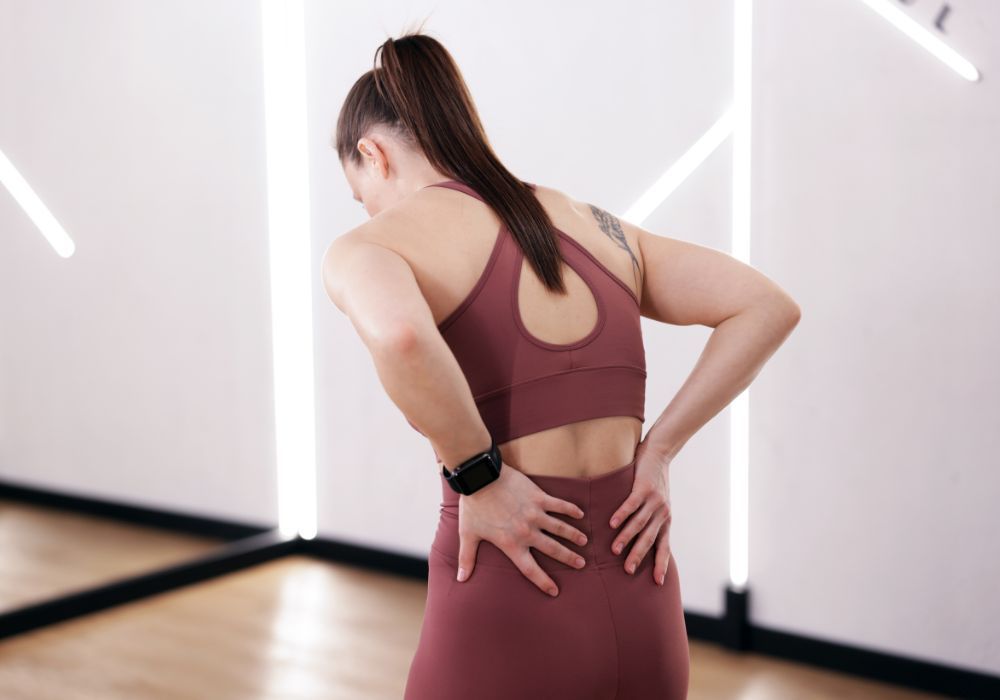
Often, we see clients hesitate around certain movements or compensate with other parts of the body after an injury. Even when the tissue has healed or when the exercise is appropriate.
That’s not you simply being irrational. It's your body remembering.
Pain science shows that pain is not only about tissue damage. It is an experience shaped by the nervous system.
When an injury happens, your brain starts collecting evidence to warn you before it happens again.
What position were you in?
What speed were you moving?
What did you feel right before it happened?
How stressed were you?
How much sleep had you had?
If your nervous system then decides a movement is risky, it will try to protect you next time by turning up threat signals: tension, bracing, shallow breathing, hesitation, and yes, pain.
This is not a weakness. It is protection.
And protection can be retrained.
Fear may have been shaping your movement for years
For some people, subconscious fear is not just about one exercise.
It has quietly shaped how they move for years.
Take a “bad knee.”
Without realising it, you may have shifted more weight into the other leg for a decade.
You may hinge more on one side.
Climb stairs asymmetrically.
Stand unevenly.
Avoid loading the injured side fully.
Over time, that compensation becomes normal.
The nervous system learns, “this side is safer.”
The other side becomes the worker.
Unlocking that is not about forcing the weaker side to suddenly do everything.
It is about slowly waking it up.
Gentle isolated work.
Supported single-leg exercises.
Controlled loading.
Awareness of weight distribution.
Gradual increases in demand.
You are reintroducing the injured side to movement and showing it, step by step, that it is safe again.
That takes patience.
It takes repetition.
It takes consistency.
But the body adapts.
When to listen to fear, and when to move through it
Not all fear is the same. Some of it keeps you safe. Some of it keeps you stuck.
A helpful filter:
If symptoms are sharp, escalating, accompanied by swelling, loss of strength, numbness, or do not settle within your normal recovery window, that is a signal to pause and assess.
If the sensation feels cautious but tolerable, improves as you warm up, and settles well within 24 hours, that is often a sign your nervous system needs exposure, not avoidance.
The difference is subtle. That is why coaching matters.
Here’s how we unlock subconscious fear that shows up in the body
Here is the part most people miss.
You cannot think your way out of subconscious fear.
You have to show your nervous system that you are safe.
This is how we do this at ATTIKA.
1. Separate sensation from story
Instead of “my back is fragile,” we ask:
Where exactly do you feel it?
What does it feel like?
Does it change with a slower tempo or a smaller range?
Turning fear into neutral information lowers threat.
2. Use control to create safety
The nervous system trusts control.
Slower reps.
Pauses.
Isometrics.
Reduced range.
Lighter loads.
We are not avoiding the movement. We are building trust with it.
3. Build a ladder, not a leap
If a full squat feels scary, we do not force it.
We might start with:
Supported squats.
Box squats.
Split squats.
Partial range.
Longer tempo.
Each step gives the brain evidence: this is safe.
That is how fear reduces, through repeated safe exposure.
4. Regulate the breath
If someone braces and holds their breath as soon as a movement begins, that tells us the threat system is on.
Longer exhales.
Soft jaw.
Relaxed shoulders.
These cues send a safety message from the bottom up.
5. Track the response
We always look at the 24-hour response.
Did symptoms spike and stay elevated?
Or did they settle back to baseline?
If they settle, we are building resilience.
If they spike repeatedly, we scale back and adjust the ladder.
At ATTIKA, we do not rush this process.
Building resilience isn’t just pushing through; it’s adapting to new stimuli over time.
It’s building strength in a way that respects your body, and it’s histor,y while not being defined by it.
With the right progression, your body can update its story.
Often, we see clients hesitate around certain movements or compensate with other parts of the body after an injury. Even when the tissue has healed or when the exercise is appropriate.
That’s not you simply being irrational. It's your body remembering.
Pain science shows that pain is not only about tissue damage. It is an experience shaped by the nervous system.
When an injury happens, your brain starts collecting evidence to warn you before it happens again.
What position were you in?
What speed were you moving?
What did you feel right before it happened?
How stressed were you?
How much sleep had you had?
If your nervous system then decides a movement is risky, it will try to protect you next time by turning up threat signals: tension, bracing, shallow breathing, hesitation, and yes, pain.
This is not a weakness. It is protection.
And protection can be retrained.
Fear may have been shaping your movement for years
For some people, subconscious fear is not just about one exercise.
It has quietly shaped how they move for years.
Take a “bad knee.”
Without realising it, you may have shifted more weight into the other leg for a decade.
You may hinge more on one side.
Climb stairs asymmetrically.
Stand unevenly.
Avoid loading the injured side fully.
Over time, that compensation becomes normal.
The nervous system learns, “this side is safer.”
The other side becomes the worker.
Unlocking that is not about forcing the weaker side to suddenly do everything.
It is about slowly waking it up.
Gentle isolated work.
Supported single-leg exercises.
Controlled loading.
Awareness of weight distribution.
Gradual increases in demand.
You are reintroducing the injured side to movement and showing it, step by step, that it is safe again.
That takes patience.
It takes repetition.
It takes consistency.
But the body adapts.
When to listen to fear, and when to move through it
Not all fear is the same. Some of it keeps you safe. Some of it keeps you stuck.
A helpful filter:
If symptoms are sharp, escalating, accompanied by swelling, loss of strength, numbness, or do not settle within your normal recovery window, that is a signal to pause and assess.
If the sensation feels cautious but tolerable, improves as you warm up, and settles well within 24 hours, that is often a sign your nervous system needs exposure, not avoidance.
The difference is subtle. That is why coaching matters.
Here’s how we unlock subconscious fear that shows up in the body
Here is the part most people miss.
You cannot think your way out of subconscious fear.
You have to show your nervous system that you are safe.
This is how we do this at ATTIKA.
1. Separate sensation from story
Instead of “my back is fragile,” we ask:
Where exactly do you feel it?
What does it feel like?
Does it change with a slower tempo or a smaller range?
Turning fear into neutral information lowers threat.
2. Use control to create safety
The nervous system trusts control.
Slower reps.
Pauses.
Isometrics.
Reduced range.
Lighter loads.
We are not avoiding the movement. We are building trust with it.
3. Build a ladder, not a leap
If a full squat feels scary, we do not force it.
We might start with:
Supported squats.
Box squats.
Split squats.
Partial range.
Longer tempo.
Each step gives the brain evidence: this is safe.
That is how fear reduces, through repeated safe exposure.
4. Regulate the breath
If someone braces and holds their breath as soon as a movement begins, that tells us the threat system is on.
Longer exhales.
Soft jaw.
Relaxed shoulders.
These cues send a safety message from the bottom up.
5. Track the response
We always look at the 24-hour response.
Did symptoms spike and stay elevated?
Or did they settle back to baseline?
If they settle, we are building resilience.
If they spike repeatedly, we scale back and adjust the ladder.
At ATTIKA, we do not rush this process.
Building resilience isn’t just pushing through; it’s adapting to new stimuli over time.
It’s building strength in a way that respects your body, and it’s histor,y while not being defined by it.
With the right progression, your body can update its story.
