 SIGN IN
Are you stretching long enough?
Stretching - The ATTIKA Guide
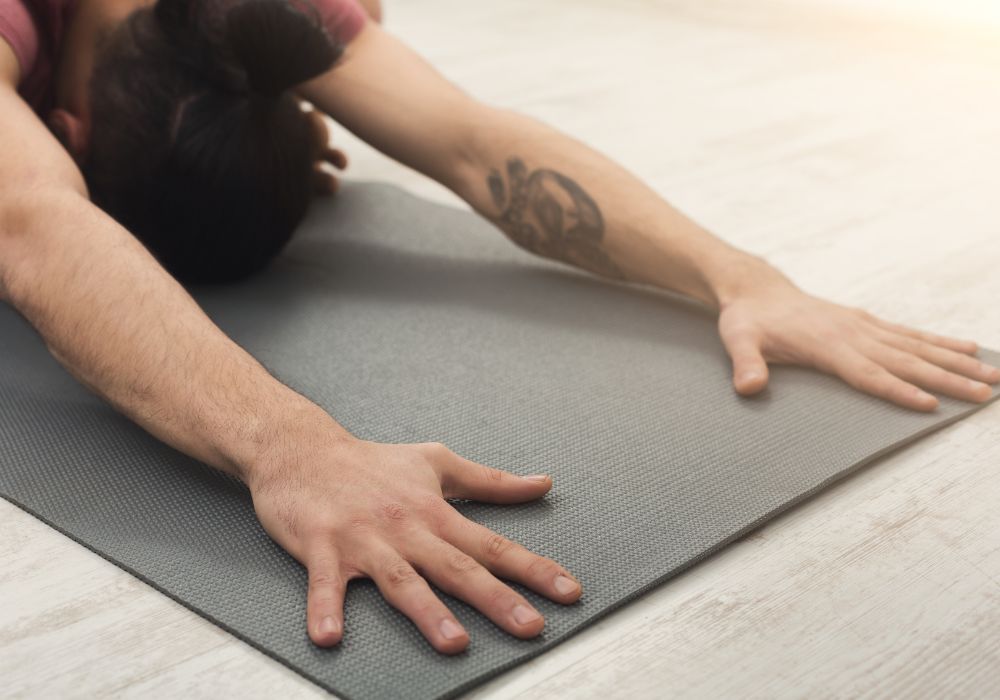
Most of us stretch at some point.
Maybe you hold your foot to stretch your quad five seconds after a workout.
Or you bounce around a little and wave your arms around before training.
You could even spend ten minutes properly stretching, but only when you're feeling particularly stiff.
But what actually works?
How long should you hold a stretch? Is it really necessary? Should you move or stay still? How do I actually improve my flexibility? And what is your coach doing when they ask you to contract a muscle before stretching it again?
This guide will help you understand the different ways to stretch, when to use them, and how to get more from the time you spend doing it.
First: Why? Is it really necessary?
Stretching is primarily a tool for maintaining and improving range of motion.
And range of motion matters.
We don't just want to be strong. We want to be able to access useful ranges of movement and have the strength and control to use them.
Think about a squat.
You might have plenty of strength through the top half of the movement but struggle to comfortably reach a deeper position.
Or you might be strong overhead but unable to fully extend your arms without compensating elsewhere.
Stretching can help increase the range available to you. Strength training then helps you become strong and capable within it.
So let's look at the different ways we can stretch.
1. Static stretching: hold and relax
This is what most people imagine when they think of stretching.
You move into a position until you feel a comfortable stretch and then stay there.
For example, holding your foot behind you to stretch your quadriceps or reaching towards your toes to stretch your hamstrings.
How long should you hold it?
Here's where many of us go wrong.
A few seconds probably isn't enough if your goal is to meaningfully work on flexibility.
A good general guideline is to hold a static stretch for around 15–30 seconds.
Don't force yourself into the deepest position you can reach immediately. That scares the nervous system and makes the muscles contract, resisting the stretch.
Instead, start light, breathe through it, and after 15 or 20 seconds, the same position will feel less intense and you´ll comfortably be able to move further.
That's very different from pulling harder.
The aim isn't to force your body into a new range. It's to give it time to become comfortable there.
When does static stretching work best?
Static stretching works particularly well after your workout or as a separate flexibility session.
Static stretching before explosive or maximal strength work is not recommended as it can temporarily inhibit the force of the muscle.
Before training, we usually want something more active.
2. Dynamic stretching: move through the range
Dynamic stretching means moving in and out of a range rather than holding the end position.
It´s preparation for the workout rather than relaxation.
Think The ATTIKA Warmup:
Hamstring walks, arm circles with lunges, deep squats moving gently through the hips.
You're repeatedly taking your joints and muscles through a range of motion while staying active.
When?
This is particularly useful before training.
Instead of asking a cold body to relax into a long stretch, you're gradually introducing it to the movements and extending the ranges it's about to use.
Your warm-up should therefore relate to what you're going to do.
Squatting today? Get the ankles, knees and hips moving.
Pressing overhead? Spend some time moving the shoulders and upper back.
Running? Gradually introduce the hips, hamstrings and calves to larger and faster movements.
3. PNF stretching: contract, then relax
PNF stands for proprioceptive neuromuscular facilitation.
Complicated name. Surprisingly simple idea.
It´s contracting the muscle intermittently during the stretch to increase the range of motion.
Let's use your hamstrings as an example.
Move into a hamstring stretch until you feel comfortable tension.
Then, rather than immediately trying to stretch further, gently contract the hamstring you're stretching for several seconds.
When you relax the contraction, you´ll find you can go slightly deeper.
We recommend doing this 2-3 times in each stretch. But not when stretching the neck or back.
If you're unfamiliar with PNF, we recommend asking your coach to guide you through it.
Active vs passive stretching
You might also hear your coach describe a stretch as active or passive.
The difference is essentially what is creating the position.
In an active stretch, you're using your own muscles to create and control the range.
For example, lifting one straight leg as high as you can and holding it there without using your hands.
In a passive stretch, something external helps you maintain the position, perhaps your hand, a strap, gravity, the floor or your coach.
Both have their own benefits.
Passive stretching can allow you to relax more into a position, so usually explore a deeper range. Which is better for flexibility.
Active stretching asks you to control that range yourself.
This is important in a functional sense.
Flexibility will help you get to that position in the first place.
Being able to control your body there is what makes it useful.
This is why PNF is good because it does get you to contract your muscles in deeper ranges you wouldn´t usually explore.
Should stretching hurt?
No.
You should feel tension or mild discomfort, but sharp pain, pinching, numbness or a feeling that something is wrong isn't something to push through.
More intensity doesn't automatically mean a better stretch.
If you find yourself holding your breath, grimacing, and fighting to stay in the position, you've probably gone further than you need to.
Come back slightly.
Breathe normally.
Give your body some time.
Listen to your body. Don't fight it.
How often should I stretch?
If your goal is to actually improve flexibility, consistency matters more than one huge stretching session.
Five or ten focused minutes, done regularly, will generally be more useful than one heroic stretching session when you suddenly remember you're supposed to be flexible.
The more you can fit in, the better, but a realistic goal you can give yourself would be 2-3 times a week at the end of your workouts.
Think of flexibility like strength: your body adapts to what you repeatedly ask it to do.
Remember
Stretching isn't about seeing how far you can pull yourself into a position.
It's about gradually developing access to more movement.
And then, importantly, developing the strength and control to use it.
Because the goal isn't simply to become more flexible.
The goal is to keep your body strong, mobile and capable through the ranges life asks you to use.
Most of us stretch at some point.
Maybe you hold your foot to stretch your quad five seconds after a workout.
Or you bounce around a little and wave your arms around before training.
You could even spend ten minutes properly stretching, but only when you're feeling particularly stiff.
But what actually works?
How long should you hold a stretch? Is it really necessary? Should you move or stay still? How do I actually improve my flexibility? And what is your coach doing when they ask you to contract a muscle before stretching it again?
This guide will help you understand the different ways to stretch, when to use them, and how to get more from the time you spend doing it.
First: Why? Is it really necessary?
Stretching is primarily a tool for maintaining and improving range of motion.
And range of motion matters.
We don't just want to be strong. We want to be able to access useful ranges of movement and have the strength and control to use them.
Think about a squat.
You might have plenty of strength through the top half of the movement but struggle to comfortably reach a deeper position.
Or you might be strong overhead but unable to fully extend your arms without compensating elsewhere.
Stretching can help increase the range available to you. Strength training then helps you become strong and capable within it.
So let's look at the different ways we can stretch.
1. Static stretching: hold and relax
This is what most people imagine when they think of stretching.
You move into a position until you feel a comfortable stretch and then stay there.
For example, holding your foot behind you to stretch your quadriceps or reaching towards your toes to stretch your hamstrings.
How long should you hold it?
Here's where many of us go wrong.
A few seconds probably isn't enough if your goal is to meaningfully work on flexibility.
A good general guideline is to hold a static stretch for around 15–30 seconds.
Don't force yourself into the deepest position you can reach immediately. That scares the nervous system and makes the muscles contract, resisting the stretch.
Instead, start light, breathe through it, and after 15 or 20 seconds, the same position will feel less intense and you´ll comfortably be able to move further.
That's very different from pulling harder.
The aim isn't to force your body into a new range. It's to give it time to become comfortable there.
When does static stretching work best?
Static stretching works particularly well after your workout or as a separate flexibility session.
Static stretching before explosive or maximal strength work is not recommended as it can temporarily inhibit the force of the muscle.
Before training, we usually want something more active.
2. Dynamic stretching: move through the range
Dynamic stretching means moving in and out of a range rather than holding the end position.
It´s preparation for the workout rather than relaxation.
Think The ATTIKA Warmup:
Hamstring walks, arm circles with lunges, deep squats moving gently through the hips.
You're repeatedly taking your joints and muscles through a range of motion while staying active.
When?
This is particularly useful before training.
Instead of asking a cold body to relax into a long stretch, you're gradually introducing it to the movements and extending the ranges it's about to use.
Your warm-up should therefore relate to what you're going to do.
Squatting today? Get the ankles, knees and hips moving.
Pressing overhead? Spend some time moving the shoulders and upper back.
Running? Gradually introduce the hips, hamstrings and calves to larger and faster movements.
3. PNF stretching: contract, then relax
PNF stands for proprioceptive neuromuscular facilitation.
Complicated name. Surprisingly simple idea.
It´s contracting the muscle intermittently during the stretch to increase the range of motion.
Let's use your hamstrings as an example.
Move into a hamstring stretch until you feel comfortable tension.
Then, rather than immediately trying to stretch further, gently contract the hamstring you're stretching for several seconds.
When you relax the contraction, you´ll find you can go slightly deeper.
We recommend doing this 2-3 times in each stretch. But not when stretching the neck or back.
If you're unfamiliar with PNF, we recommend asking your coach to guide you through it.
Active vs passive stretching
You might also hear your coach describe a stretch as active or passive.
The difference is essentially what is creating the position.
In an active stretch, you're using your own muscles to create and control the range.
For example, lifting one straight leg as high as you can and holding it there without using your hands.
In a passive stretch, something external helps you maintain the position, perhaps your hand, a strap, gravity, the floor or your coach.
Both have their own benefits.
Passive stretching can allow you to relax more into a position, so usually explore a deeper range. Which is better for flexibility.
Active stretching asks you to control that range yourself.
This is important in a functional sense.
Flexibility will help you get to that position in the first place.
Being able to control your body there is what makes it useful.
This is why PNF is good because it does get you to contract your muscles in deeper ranges you wouldn´t usually explore.
Should stretching hurt?
No.
You should feel tension or mild discomfort, but sharp pain, pinching, numbness or a feeling that something is wrong isn't something to push through.
More intensity doesn't automatically mean a better stretch.
If you find yourself holding your breath, grimacing, and fighting to stay in the position, you've probably gone further than you need to.
Come back slightly.
Breathe normally.
Give your body some time.
Listen to your body. Don't fight it.
How often should I stretch?
If your goal is to actually improve flexibility, consistency matters more than one huge stretching session.
Five or ten focused minutes, done regularly, will generally be more useful than one heroic stretching session when you suddenly remember you're supposed to be flexible.
The more you can fit in, the better, but a realistic goal you can give yourself would be 2-3 times a week at the end of your workouts.
Think of flexibility like strength: your body adapts to what you repeatedly ask it to do.
Remember
Stretching isn't about seeing how far you can pull yourself into a position.
It's about gradually developing access to more movement.
And then, importantly, developing the strength and control to use it.
Because the goal isn't simply to become more flexible.
The goal is to keep your body strong, mobile and capable through the ranges life asks you to use.
