 SIGN IN
Toned vs. Building Muscle: Let’s Clear This Up Once and For All
If we had a euro for every time someone came in and said, “I don’t want to build muscle, I just want to tone,” we could have built a second ATTIKA in Madrid by now.
Let’s get straight to it: “toning” is not a separate physiological process. It’s not a special type of workout, a secret class, or a magical rep range. It’s a word that the fitness industry has packaged, polished, and sold - very successfully.
But here’s what it actually means.
Being “toned” is simply having a combination of:
- Relatively low body fat
- A decent amount of muscle mass
That’s it. No mystery. No secret formula.
So where did the confusion come from?
A lot of fitness marketing, especially targeted toward women - has pushed the idea that there are two different paths:
- “Lean and toned”
- “Bulky and muscular”
This creates the illusion that you can somehow shape your body without building muscle. That you can lift light weights, do endless reps, or stick to certain classes and magically “tone” without getting “too big.”
But physiologically, your body doesn’t work like that.
Muscle either grows, shrinks, or stays the same.
There’s no separate “toning” mechanism.
If you want to look toned, you need muscle
Let’s say your body fat is already relatively low.
What actually creates that defined, sculpted look?
Muscle.
Not tiny, invisible muscle. Not “long, lean” muscle (another marketing favourite).
Just… muscle.
If your muscles are small, even at low body fat, your body will look softer.
If your muscles are more developed, you’ll see shape, definition, and, yes - tone.
So when someone says they want:
- Defined arms
- Sculpted glutes
- A “toned” stomach
What they’re really saying is:
“I want more muscle in those areas.”
If your body fat is higher, the approach is a little different, but the principle stays the same.
A combination of muscle building and fat loss is key. Building muscle helps increase your metabolism, which makes fat loss more efficient over time. And no. It won’t make you “bigger” in the way people fear. In fact, increasing muscle while reducing body fat is exactly what creates that leaner, more defined look most people are after. When a workout has high repetition, it doesn´t mean you are more likely to be losing weight and building muscle at the same time - that´s just not how it works. Lift heavy to build muscle, get the cardio some other time.
Light weights vs. heavy weights: does it matter?
Here’s another common misconception:
- Light weights = toning
- Heavy weights = bulking
In reality, muscle growth is driven by progressive overload - challenging your muscles enough that they adapt and grow over time.
You can build muscle with lighter weights… but only if you’re pushing close to fatigue.
And you’ll build it more efficiently by progressively increasing resistance over time.
So no, there isn’t a magical “toning zone.”
There’s just effective training vs. ineffective training.
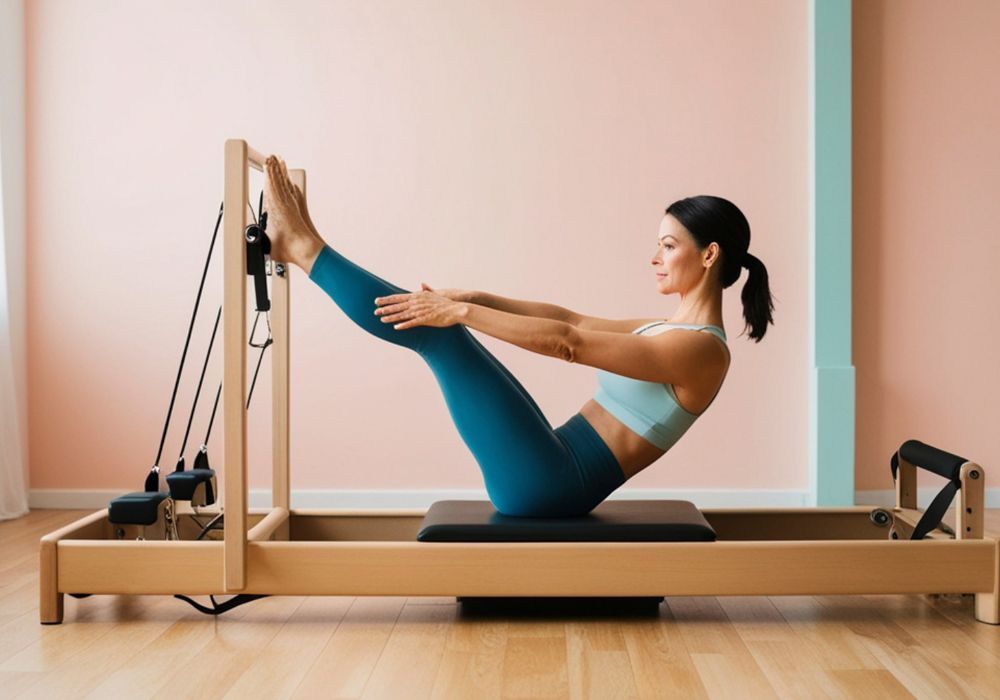
What about Pilates?
Let’s be clear - Pilates is great.
It´s great at what it was invented for:
- Core strength
- Stability
- Body awareness
- Mobility
But if your goal is to significantly change the shape of your body or build noticeable muscle definition, Pilates alone is usually not enough stimulus.
That “toned” look people often associate with Pilates?
It typically comes from a combination of:
- Strength training
- Nutrition
- Consistency over time
Pilates can absolutely be part of the equation—but it’s not the magic answer.
The fear of “getting bulky”
This one deserves its own moment.
While we hate that women feel pressured to not look a certain way, which is actually healthier, we can´t change your minds overnight.
Building noticeable muscle takes:
- Time
- Consistent training
- Adequate nutrition (often in a calorie surplus)
It doesn’t happen accidentally.
You’re not going to wake up one day and think, “Oh no, I’ve accidentally become a bodybuilder.”
That requires a very intentional approach.
For most people - especially women - building enough muscle to look “toned” is the hard part, not accidentally getting ´bulky.´
So what should you focus on?
If your goal is that “toned” look:
- Strength train regularly
Focus on progressive overload and getting stronger over time.
- Eat to support your body
Enough protein, enough overall intake to recover and build muscle.
- Be patient
Muscle takes time to develop. There’s no shortcut.
- Ignore the marketing noise
If something sounds like a shortcut, it probably is.
Why lifting weights is essential
Focusing on improving our body composition can motivate us to get to the gym and lift weights. But unhealthy choices can be made when aesthetics are the main goal. At ATTIKA, we prioritise health and longevity. Here are 5 more reasons why strength training is essential for our bodies:
- Muscle is a metabolic organ that keeps us young
- Bone density and disease prevention
- Independence at old age
- Mental resilience
- Anti depression hormone - science proves that strength training can change our brains
So what does this mean for you?
Ignore any workouts that label themselves as “toning”. The professional probably doesn’t know what they are doing.
No specific exercise is going to make you ´bulk´either.
You need muscle.
Not just to achieve the aesthetic goal you’re looking for but also for your health, empowerment, and independence long-term.
Simple? Yes.
Easy? Not always.
Worth it? Absolutely.
If we had a euro for every time someone came in and said, “I don’t want to build muscle, I just want to tone,” we could have built a second ATTIKA in Madrid by now.
Let’s get straight to it: “toning” is not a separate physiological process. It’s not a special type of workout, a secret class, or a magical rep range. It’s a word that the fitness industry has packaged, polished, and sold - very successfully.
But here’s what it actually means.
Being “toned” is simply having a combination of:
- Relatively low body fat
- A decent amount of muscle mass
That’s it. No mystery. No secret formula.
So where did the confusion come from?
A lot of fitness marketing, especially targeted toward women - has pushed the idea that there are two different paths:
- “Lean and toned”
- “Bulky and muscular”
This creates the illusion that you can somehow shape your body without building muscle. That you can lift light weights, do endless reps, or stick to certain classes and magically “tone” without getting “too big.”
But physiologically, your body doesn’t work like that.
Muscle either grows, shrinks, or stays the same.
There’s no separate “toning” mechanism.
If you want to look toned, you need muscle
Let’s say your body fat is already relatively low.
What actually creates that defined, sculpted look?
Muscle.
Not tiny, invisible muscle. Not “long, lean” muscle (another marketing favourite).
Just… muscle.
If your muscles are small, even at low body fat, your body will look softer.
If your muscles are more developed, you’ll see shape, definition, and, yes - tone.
So when someone says they want:
- Defined arms
- Sculpted glutes
- A “toned” stomach
What they’re really saying is:
“I want more muscle in those areas.”
If your body fat is higher, the approach is a little different, but the principle stays the same.
A combination of muscle building and fat loss is key. Building muscle helps increase your metabolism, which makes fat loss more efficient over time. And no. It won’t make you “bigger” in the way people fear. In fact, increasing muscle while reducing body fat is exactly what creates that leaner, more defined look most people are after. When a workout has high repetition, it doesn´t mean you are more likely to be losing weight and building muscle at the same time - that´s just not how it works. Lift heavy to build muscle, get the cardio some other time.
Light weights vs. heavy weights: does it matter?
Here’s another common misconception:
- Light weights = toning
- Heavy weights = bulking
In reality, muscle growth is driven by progressive overload - challenging your muscles enough that they adapt and grow over time.
You can build muscle with lighter weights… but only if you’re pushing close to fatigue.
And you’ll build it more efficiently by progressively increasing resistance over time.
So no, there isn’t a magical “toning zone.”
There’s just effective training vs. ineffective training.
What about Pilates?
Let’s be clear - Pilates is great.
It´s great at what it was invented for:
- Core strength
- Stability
- Body awareness
- Mobility
But if your goal is to significantly change the shape of your body or build noticeable muscle definition, Pilates alone is usually not enough stimulus.
That “toned” look people often associate with Pilates?
It typically comes from a combination of:
- Strength training
- Nutrition
- Consistency over time
Pilates can absolutely be part of the equation—but it’s not the magic answer.
The fear of “getting bulky”
This one deserves its own moment.
While we hate that women feel pressured to not look a certain way, which is actually healthier, we can´t change your minds overnight.
Building noticeable muscle takes:
- Time
- Consistent training
- Adequate nutrition (often in a calorie surplus)
It doesn’t happen accidentally.
You’re not going to wake up one day and think, “Oh no, I’ve accidentally become a bodybuilder.”
That requires a very intentional approach.
For most people - especially women - building enough muscle to look “toned” is the hard part, not accidentally getting ´bulky.´
So what should you focus on?
If your goal is that “toned” look:
- Strength train regularly
Focus on progressive overload and getting stronger over time. - Eat to support your body
Enough protein, enough overall intake to recover and build muscle. - Be patient
Muscle takes time to develop. There’s no shortcut. - Ignore the marketing noise
If something sounds like a shortcut, it probably is.
Why lifting weights is essential
Focusing on improving our body composition can motivate us to get to the gym and lift weights. But unhealthy choices can be made when aesthetics are the main goal. At ATTIKA, we prioritise health and longevity. Here are 5 more reasons why strength training is essential for our bodies:
- Muscle is a metabolic organ that keeps us young
- Bone density and disease prevention
- Independence at old age
- Mental resilience
- Anti depression hormone - science proves that strength training can change our brains
So what does this mean for you?
Ignore any workouts that label themselves as “toning”. The professional probably doesn’t know what they are doing.
No specific exercise is going to make you ´bulk´either.
You need muscle.
Not just to achieve the aesthetic goal you’re looking for but also for your health, empowerment, and independence long-term.
Simple? Yes.
Easy? Not always.
Worth it? Absolutely.
